
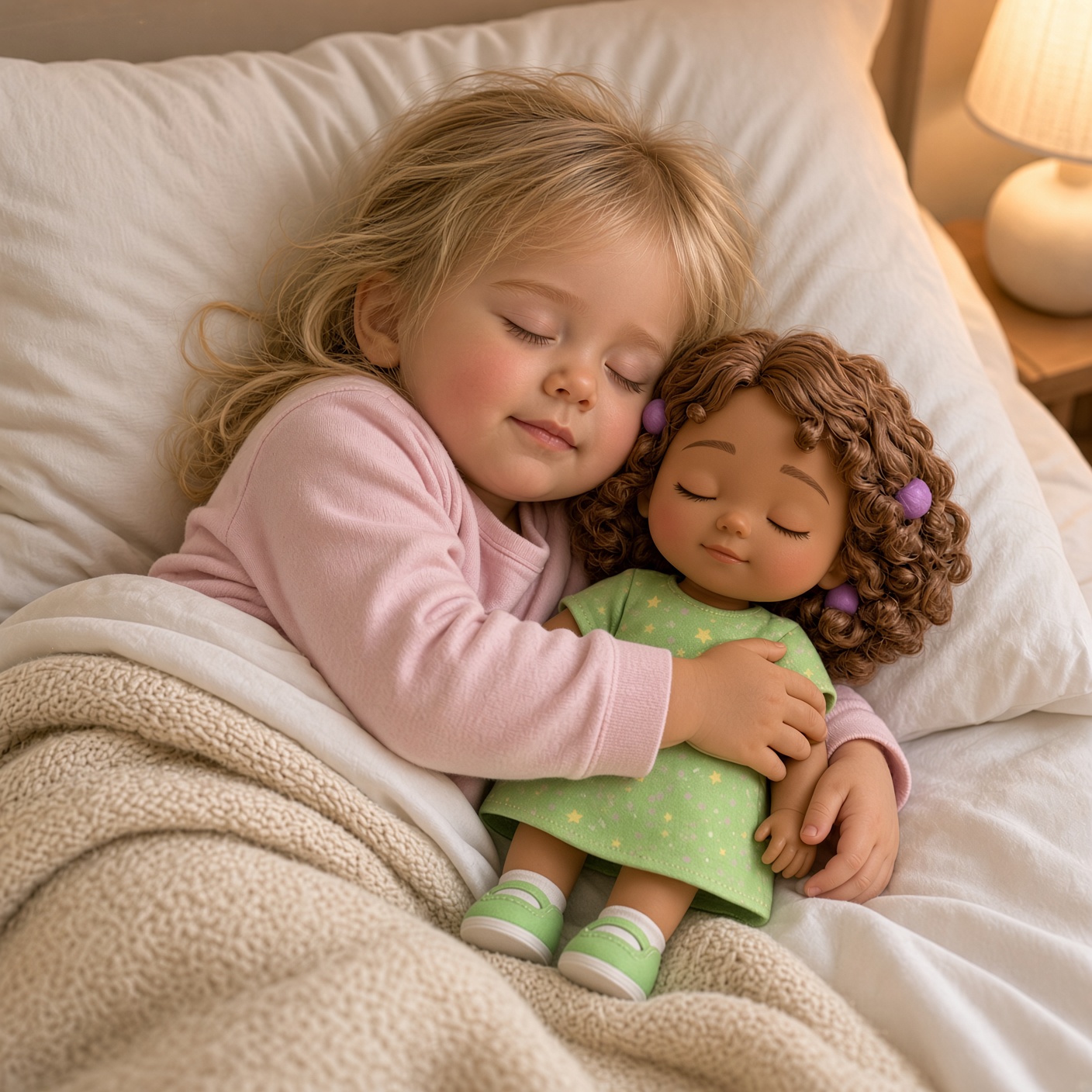
Find the Right Sleep Toolkit for Your Child
Toolkit 1: Baby Sleep Basics
Young babies wake frequently because they need feeding, comfort and care. Learn normal newborn patterns, introduce day/night differences, recognize tiredness cues, and follow safer sleep guidance.
Note: Frequent waking is normal for young babies. Never restrict feeds or use strict sleep schedules for newborns.
Toolkit 2: Building Better Sleep Habits
As babies grow, feeding, teething, illness, and separation anxiety affect sleep. Establish a consistent bedtime routine, review nap timing, encourage safe space settling, and manage night waking.
Note: Speak with your health visitor or GP if you are unsure whether structured sleep interventions suit your baby's needs.
Toolkit 3: Toddler Bedtime Battles
Toddlers testing boundaries or experiencing separation anxiety may ask for "one more story". Learn to set a consistent bedtime, establish loving boundaries, manage requests, and handle night waking.
Goal: Help your toddler feel secure when you leave the room.
Toolkit 4: Big-Kid Sleep Confidence
Preschoolers may struggle with dark fears, nightmares, or excitement. Address fears of the dark, use bedtime stories for safety, introduce bedtime reward charts, and manage trips out of bed.
Goal: Encourage children to settle with increasing independence.
How Much Sleep Does My Child Need?
| Age Group | General Recommended Sleep in 24 Hours |
|---|---|
| 0–3 months | Sleep patterns vary considerably; no single established total. |
| 4–12 months | 12–16 hours (including naps) |
| 1–2 years | 11–14 hours (including naps) |
| 3–5 years | 10–13 hours (including naps) |
A Useful Question: Rather than asking only whether your child sleeps through the night, consider whether they are getting enough total sleep, settling comfortably, and managing well during the day.
Why Does My Child Keep Waking Up at Night?
4. The Kids Renee Show 7-Night Sleep Reset
A practical, gentle plan to introduce a predictable sleep routine for healthy babies (developmentally ready), toddlers, and preschoolers. Not for newborns.
Which Sleep-Training Approach Is Right for Our Family?
Your Printable Sleep Diary Template
Create Your Own Bedtime Routine
Safe Sleep: What Every Parent Should Know
• Place baby on their back for every sleep on a firm, flat, clear, separate sleep surface.
• Keep pillows, duvets, soft toys, and loose bedding out of the cot.
• Keep baby in the same room as you for at least the first six months (day and night).
• Avoid overheating; keep head uncovered indoors. Never sleep on a sofa/armchair with baby.
When Should You Speak to a Health Professional?
Contact your health visitor or GP if your child:
• Snores regularly or has laboured breathing / gasping / pauses during sleep.
• Appears to be in pain, has persistent itching, or reflux symptoms.
• Has ongoing feeding difficulties or poor weight gain.
• Is unusually sleepy during the day despite getting enough sleep.
Seek urgent medical assistance if your child has serious breathing difficulty, turns blue/grey, or is difficult to wake.
What Does the Research Say About Sleep Training?
Frequently Asked Questions
12. Your Child Does Not Need a Perfect Night
Some nights will go well. Others may be interrupted by teething, illness, or developmental changes. Start with one small change, keep what works, and give yourself grace!